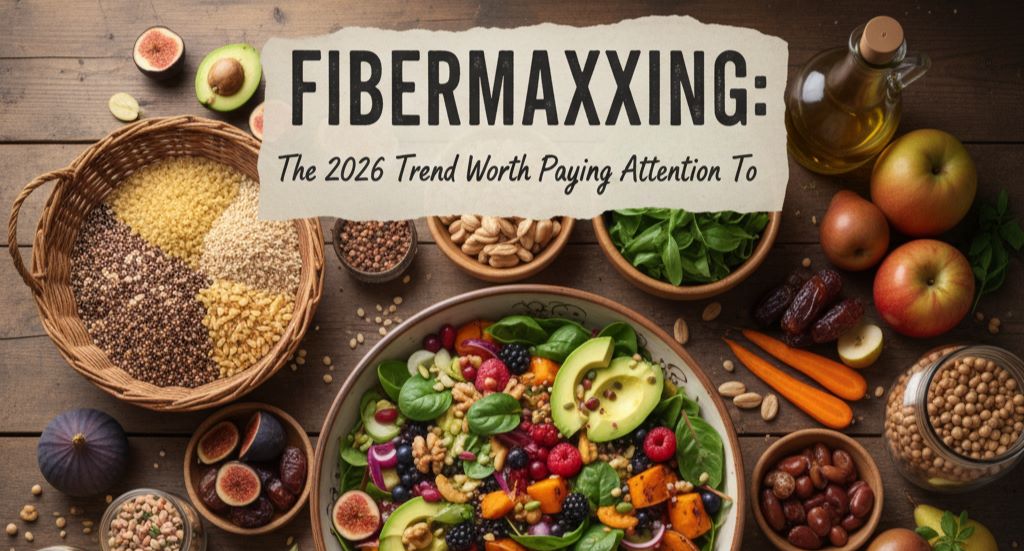
A trend called “fibermaxxing” — the practice of intentionally maximizing fiber intake — is gaining traction across social media, particularly on TikTok and among Gen Z consumers. But this isn’t just a fleeting food trend. The data, the science, and the food industry are all pointing in the same direction.
What's Driving the Trend?
Consumers are increasingly focused on digestive and gut health, and they’re making the connection between gut function and overall wellbeing. Research supports this link — digestive health affects everything from skin to cognitive function.
The numbers back up the interest. According to food and beverage research firm Datassential, 60% of Gen Z consumers say they’re interested in food & beverages that are high in fiber.
And there’s another reason fiber is generating attention: it’s been shown to trigger naturally occurring GLP-1 in the body — the same appetite-suppressing hormone targeted by weight-loss medications.
The Fiber Gap Is Real
Most Americans aren’t getting nearly enough fiber. The recommended daily intake is 25 grams for adult women and 35 grams for adult men. Yet according to U.S. government data, more than 90% of women and 97% of men fall short of those targets.
That’s not a small gap — it’s a widespread nutritional deficiency affecting nearly everyone.
The Food Industry Is Paying Attention
Major food companies and retailers are already responding. Whole Foods’ 2026 trend forecast noted more fiber-forward callouts on packaging and an increase in products with added fiber. Thrive Market reported a 30% surge in fiber-related search terms over the past year, with shoppers gravitating toward snacks, bars, and supplements.
PepsiCo CEO Ramon Laguarta called it directly on an earnings call: “Fiber will be the next protein.” McDonald’s CEO Chris Kempczinski has also publicly predicted that fiber “is going to be big” in 2026.
Real Food First
The packaged food aisle is catching up, but Forum Health’s Andrew Petersen, DO (Utah) says whole foods should still come first. In this podcast episode, he breaks down the new food pyramid and makes the case for building your diet around real, minimally processed ingredients — a principle that applies directly to fiber intake.
It’s a perspective that aligns with the U.S. government’s newly released dietary guidelines, which urge people to prioritize “real food,” including fiber-rich whole grains, while cutting back on highly processed options. The best fiber sources don’t come with labels — they come from the produce section. Vegetables, legumes, beans, and whole grains remain the most effective way to close the fiber gap.
The Bottom Line
Fibermaxxing isn’t a fad — it reflects a real nutritional gap and a growing consumer understanding of how gut health connects to whole-body health. If you’ve been focused on protein intake, it may be time to give fiber equal attention.
A functional medicine approach looks at nutrition comprehensively, not trend by trend. If you’re curious about where your diet stands, our providers can help you assess your current intake and build a nutrition strategy that addresses the gaps.