Jana Rogers, APRN, FNP-C, IFMCP — board-certified nurse practitioner specializing in functional urology and bladder health.
If you’ve been treated for UTIs again and again, but symptoms keep returning despite negative urine cultures, the problem may not be an infection at all. It may be interstitial cystitis (IC), a chronic bladder condition that mimics a UTI but needs a different treatment approach. The deciding factor is the urine culture: a positive result means UTI, while a negative result with ongoing symptoms points toward IC.
Many women cycle through antibiotic after antibiotic without ever getting ahead of their symptoms. In a lot of cases, the real problem isn’t a repeat infection at all. It’s interstitial cystitis, a chronic bladder condition that mimics a UTI on the surface but needs a different approach to manage.
These two conditions are often confused because their symptoms overlap so closely. Understanding what separates them, and why that difference matters, is the first step toward getting the right care.
What Is a UTI?
A urinary tract infection is a bacterial infection that affects one or more parts of the urinary system, most often the bladder. The most common cause is E. coli, a bacterium behind most bladder infections. Symptoms typically include a burning feeling during urination, along with urgency, frequency, and pelvic discomfort. A standard urine culture will show bacteria growing in the sample, and a course of antibiotics clears up most simple cases within a few days.
A recurrent UTI is defined as two or more culture-confirmed infections in six months, or three or more in a year. Recurrent infections are common in women. They can be caused by anatomy, sexual activity, hormone changes, or shifts in the bacteria that normally live in the urinary tract.
What Is Interstitial Cystitis?
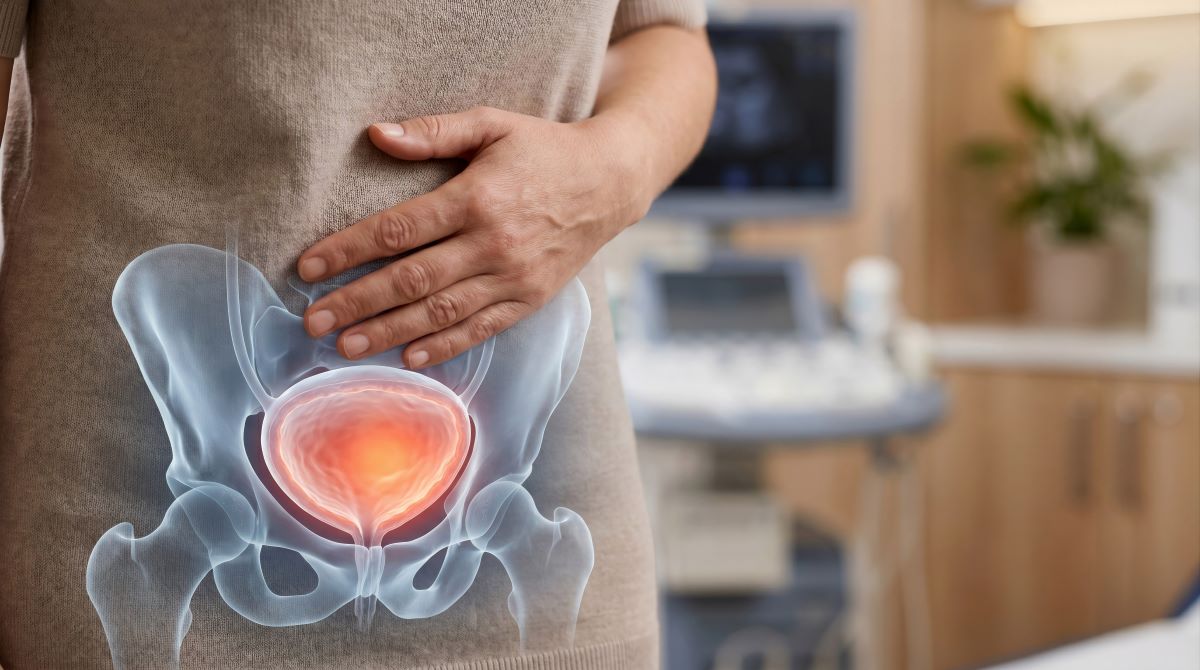
Interstitial cystitis (IC), also known as bladder pain syndrome (IC/BPS) or painful bladder syndrome, is a chronic inflammation of the bladder wall. Doctors don’t fully know what causes it. The condition isn’t caused by a bacterial infection, so antibiotics don’t relieve it. It’s marked by ongoing bladder pain, urgency, and frequency, even when urine cultures show no infection.
The American Urological Association (AUA) defines IC/BPS as an uncomfortable feeling, including pain, pressure, or discomfort, felt in the bladder area. This comes with urinary symptoms lasting more than six weeks, with no infection or other clear cause.
Research published in Contemporary OB/GYN estimates IC/BPS affects between 3.3 and 7.9 million women in the United States. Despite this, IC/BPS is widely considered underdiagnosed, in part because there’s no single test that confirms it.
Why Do IC and UTI Symptoms Look the Same?
IC/BPS and UTI symptoms are nearly identical. Both can cause:
- Urgent need to urinate
- Frequent urination, including waking up at night to go
- Burning or pain with urination
- Pelvic pressure or pain
- Discomfort that worsens as the bladder fills
The key difference shows up in urine testing. With a UTI, a urine culture shows bacterial growth. With IC, repeated cultures come back negative, meaning there’s no infection, even though symptoms persist or return.
A peer-reviewed study published in Healthcare found that a diagnosis delay occurred in 70% of IC/BPS patients because doctors initially assumed their symptoms were UTIs.
What's the Single Clinical Distinction Between IC and UTI?
The single most important clue: if urine cultures keep coming back negative but symptoms have lasted more than six weeks, IC should be considered. Symptoms that clear up with antibiotics and return weeks later, without a new confirmed infection, aren’t reliable evidence of a repeat UTI. They’re a sign to look further.
Here’s how the two conditions compare:
| UTI | Interstitial Cystitis | |
|---|---|---|
| Cause | Bacterial infection (most commonly E. coli) | Chronic bladder inflammation, cause not fully established |
| Urine culture result | Positive for bacterial growth | Negative (no infection detected) |
| Response to antibiotics | Typically resolves within days | No improvement with antibiotics |
| Duration of symptoms | Acute, resolves with treatment | Chronic, with flare-ups and periods of remission |
| Common comorbidities | Kidney infection if untreated; antibiotic resistance with repeated courses | Fibromyalgia, irritable bowel syndrome, endometriosis, vulvodynia, chronic fatigue syndrome |
Why Are So Many Women Misdiagnosed?
A study following 100 women with IC found that 74% of them had previously been diagnosed with recurrent UTIs. This overlap isn’t a coincidence. IC is a diagnosis of exclusion, meaning it’s confirmed only after other causes have been ruled out. Without a thorough evaluation, this pattern can be mistaken for treatment failure. Symptoms returning after antibiotics, or symptoms persisting with negative cultures, are often a different diagnosis altogether.
Repeated antibiotic courses without a confirmed infection carry their own risks, including throwing off the normal balance of urinary bacteria, yeast infections, and antibiotic resistance. Women caught in this cycle deserve a more thorough diagnostic workup, not another prescription.
How Is Interstitial Cystitis Diagnosed?
There’s no single test that confirms IC. Instead, doctors rely on a mix of medical history, a physical exam, and ruling out other conditions. A urinalysis and urine culture are needed first, to rule out an active infection. Tools such as the O’Leary-Sant IC Symptom and Problem Index and the Pelvic Pain and Urgency/Frequency (PUF) scale can help support the evaluation in the office.
Doctors may perform a cystoscopy, a procedure that looks inside the bladder with a small camera, to check for Hunner lesions. These are specific sores on the bladder wall found in some IC patients. However, not finding these sores doesn’t rule out IC. A landmark NIH-funded study found that strictly applying the standard research criteria for IC (which rely heavily on cystoscopy findings) would miss more than 60% of patients whom experienced clinicians would otherwise diagnose with IC.
A 2025 review in Neurourology and Urodynamics proposes a more practical definition of IC/BPS. It relies on medical history, a physical exam, and urine studies alone, without requiring cystoscopy or urodynamic testing in every case. The focus is on evaluating each patient individually, rather than applying the same strict checklist to everyone.
What Are the Treatment Options for IC vs. Recurrent UTI?
For confirmed UTIs, antibiotics remain the standard treatment. Options for recurrent UTIs include low-dose preventive antibiotics, antibiotics taken after sex, and topical estrogen for women past menopause. D-mannose supplements have also been studied as a way to help prevent UTIs.
Managing IC/BPS is more involved. The AUA’s 2022 guidelines recommend starting with simpler, conservative steps and moving to more involved treatments if needed. Options include:
- Dietary changes to identify and reduce bladder irritants
- Pelvic floor physical therapy
- Oral medications, including pentosan polysulfate, tricyclic antidepressants, and antihistamines
- Treatments placed directly into the bladder, such as DMSO or heparin
- Nerve stimulation therapy (neuromodulation)
- Botulinum toxin injections, usually reserved for later if other treatments haven’t worked
There’s currently no cure for IC/BPS, so treatment focuses on easing symptoms and improving quality of life. Because flare-ups and calmer periods tend to come and go, ongoing management is part of living with the condition.
When Should You Seek Specialized Evaluation?
You deserve more than another antibiotic prescription if you’re experiencing any of the following:
- UTI-like symptoms with urine cultures that keep coming back negative
- Symptoms that persist or return quickly after completing antibiotics
- Pelvic or bladder pain that worsens as the bladder fills and improves after you go
- Urinary urgency and frequency that isn’t explained by an active infection
- A pattern of symptoms getting worse with certain foods, drinks, or hormone changes
These patterns call for a thorough evaluation by a provider trained to tell the difference between bladder infections and chronic bladder conditions. Treating IC as a UTI won’t resolve it. It only delays diagnosis and adds unnecessary antibiotic exposure.
The Bottom Line
Interstitial cystitis and recurrent UTIs share a similar symptom profile, but they require very different diagnostic paths and treatment strategies. A negative urine culture alongside persistent bladder symptoms isn’t a dead end. It’s a signal that the evaluation needs to go further.
Women dealing with chronic bladder symptoms deserve an accurate diagnosis and a care plan built around what’s actually happening in their body. If that hasn’t happened yet, it’s time to ask for a different kind of evaluation.
To book a consultation, visit https://forumhealth.com/virtual-clinic/the-bladder-expert/ or call 833-591-0545.
Frequently Asked Questions
How do you know if you have an IC or a UTI?
The most reliable way to tell them apart is a urine culture. A UTI shows bacteria growing in the culture, while IC doesn’t. If your cultures keep coming back negative but symptoms last more than six weeks, IC/BPS should be considered. A provider can use symptom questionnaires and your full medical history to look into it further.
Can you have interstitial cystitis and UTIs at the same time?
Yes. Research shows that people with IC/BPS are more likely to get UTIs, and a confirmed bacterial infection can worsen existing IC symptoms. Having IC doesn’t protect against UTIs, and getting a UTI doesn’t mean IC isn’t also present. Both conditions can coexist and require separate management strategies.
What does a negative urine culture mean?
A negative urine culture means no bacterial infection was detected in the sample. If you have UTI-like symptoms but your culture is negative, the cause of your symptoms is something other than a standard bacterial infection. Possibilities include IC/BPS, pelvic floor dysfunction, or other urological conditions. A negative culture alongside ongoing symptoms is a reason for further evaluation, not dismissal.
How is interstitial cystitis diagnosed?
IC is diagnosed through a combination of clinical history, physical examination, and the exclusion of other conditions, including infection, bladder cancer, and sexually transmitted infections. A urinalysis and urine culture are required to rule out active infection. Tools such as the O’Leary-Sant IC Symptom Index can support the evaluation. Cystoscopy may be used in some cases to look for Hunner lesions, though their absence doesn’t rule out IC. Because IC is a diagnosis of exclusion, it often requires a specialist experienced in chronic bladder pain conditions.
Jana Rogers, APRN, FNP-C, IFMCP is The Bladder Expert, a functional medicine nurse practitioner and IFM-certified practitioner at Forum Health. She specializes in recurrent UTIs, interstitial cystitis, and women’s health. Virtual UTI consultation appointments are available across Texas and 32+ states.
Consultas disponibles en español.
Sources:
American Urological Association. Diagnosis and Treatment of Interstitial Cystitis/Bladder Pain Syndrome. AUA Guideline, 2022. Werneburg GT, et al. Interstitial Cystitis/Bladder Pain Syndrome (IC/BPS) Diagnosis: Current Limitations and a Pragmatic Clinical Diagnostic Definition. Neurourology and Urodynamics, Wiley, 2025. Interstitial cystitis: Simplified diagnosis and treatment. Contemporary OB/GYN. (Prevalence estimate: 3.3 to 7.9 million U.S. women.) Baars CD, van Ginkel CJ, Heesakkers JP, Scholtes M, Martens FMJ, Janssen D. The Burden of Urinary Tract Infections on Quality of Life and Healthcare in Patients with Interstitial Cystitis. Healthcare. 2023;11(20):2761. Parsons CL. How does interstitial cystitis begin? Transl Androl Urol. 2015;4(6):605-610. Hanno PM, Landis JR, Matthews-Cook Y, Kusek J, Nyberg L Jr. The diagnosis of interstitial cystitis revisited: lessons learned from the National Institutes of Health Interstitial Cystitis Database study. J Urol. 1999;161(2):553-557. National Institute of Diabetes and Digestive and Kidney Diseases (NIDDK). Interstitial Cystitis (Bladder Pain Syndrome). What are the diagnostic criteria for interstitial cystitis? Evidence-Based Practice (LWW). 2017;20(11):E6. Lim Y, Leslie SW, O’Rourke S. Interstitial Cystitis/Bladder Pain Syndrome. StatPearls. NCBI Bookshelf. Updated October 2024. Ala-Jaakkola R, Laitila A, Ouwehand AC, Lehtoranta L. Role of D-mannose in urinary tract infections: a narrative review. Nutr J. 2022;21(1):18.